Q&A with Mindset’s Founder, Jasmine
The people who guide, support, and inspire
At Mindset, we believe in the power of authentic stories to inspire change. This week, we had the privilege of sitting down with our founder, Jasmine, to learn more about her personal journey, the inspiration behind Mindset, and her vision for empowering young people. We’re excited to share this conversation with you and dive into the core of why Mindset exists.
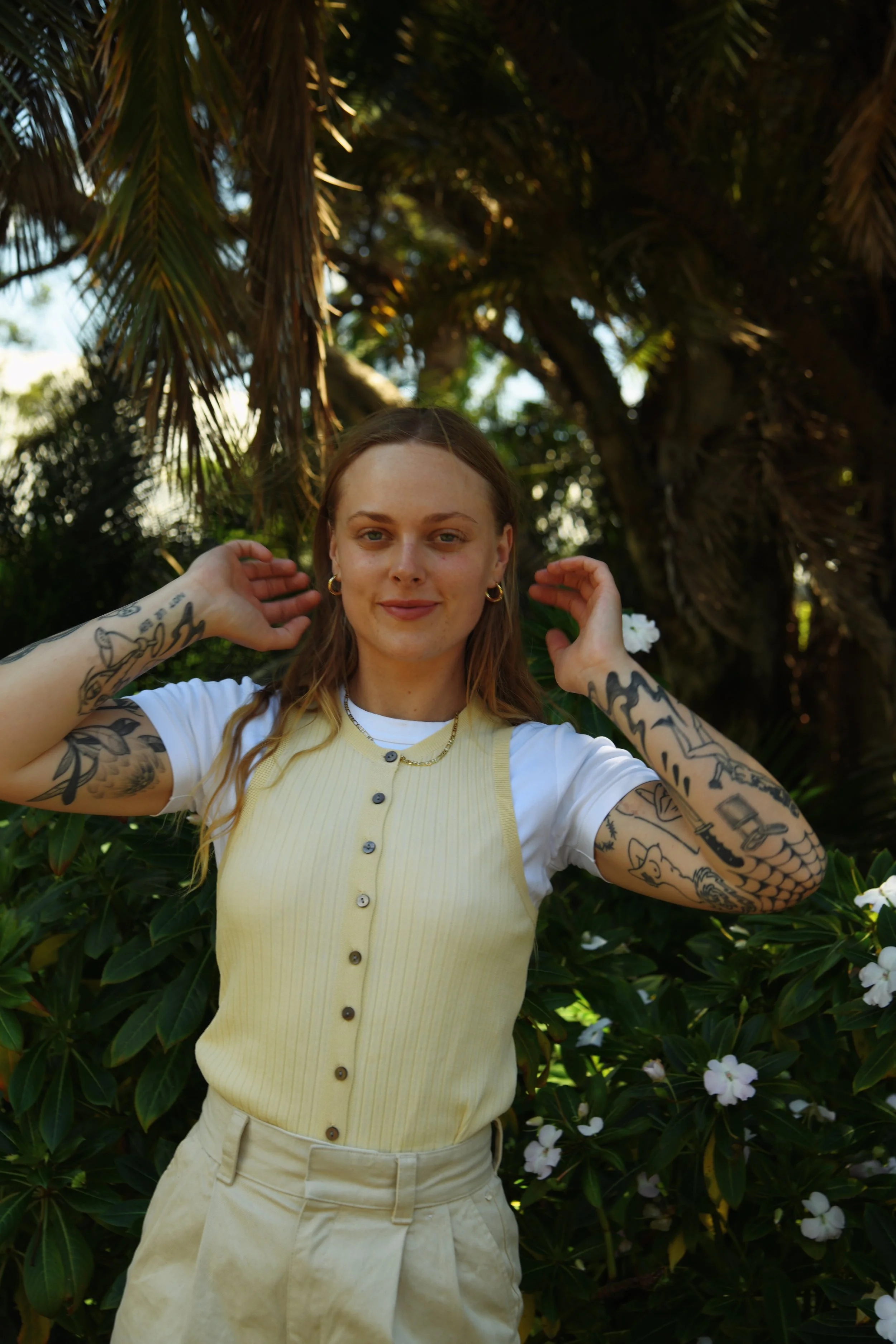
So, tell us a bit about yourself—who is Jasmine?
Oh, that’s always a big one, right? Well, I’ll try to keep it light, but also real. I’m a big sister, a Capricorn, and I’m obsessed with Murakami books. I’ve been sober for almost five years now, which has been a huge part of my journey. I grew up on the stolen lands of the Wurundjeri people and moved around a lot as a kid—spent some time in Djab Wurrung country, too.
Honestly, my childhood wasn’t easy. I felt isolated, anxious, and I got bullied a lot, especially for my teeth. I didn’t smile much in photos. But even with all that, I always had this deep feeling that something better was out there for me. I knew that the environment I was in wasn’t healthy and that I deserved more.
I went through a lot in my teenage years and early adulthood. I didn’t know how to value myself, and that really showed. But over the past five years, I’ve worked hard to change things, and I’m proud of where I am now. All those versions of me, the ones that struggled and the ones that grew, brought me to where I am today. And I wouldn’t change any of it.
So, what made you want to start Mindset?
Mindset didn’t come out of nowhere. It grew from my own experiences and the work I was doing in the community. I spent time running youth programs in marginalized communities, particularly for women and girls. I also worked in a Muay Thai gym coaching kids and facilitated self-defense sessions in high schools. Along the way, I saw something that really stood out to me.
Martial arts is amazing for empowerment, but it’s only one part of the puzzle. I noticed that mental health and well-being were completely missing in the conversation, especially in martial arts communities. It hit me that physical empowerment is fantastic, but young people also need support for their mental health.
A lot of young people, especially those who’ve experienced trauma, don’t want to just sit in a therapist’s office and talk. I know that from my own life—what I really needed was something that combined both: physical movement and emotional healing.
That’s why I created Mindset. I wanted a program that could bring together the best of both worlds. I knew young women, especially, would benefit from a balanced approach that combined mental health, physical strength, and empowerment.
How do you define empowerment? What does it mean to you?
To me, empowerment is about being your true, authentic self. It’s about having the confidence to show up as who you really are and not be afraid to express that. Empowerment is creating a safe space where you’re allowed to explore yourself, to know who you are, and to feel supported as you figure that out.
I’ll never forget a story from one of my mentors. He told me about his daughter, who was being bullied at school because she hadn’t developed at the same pace as the other girls. But instead of shrinking back, she proudly said, “It’s actually really cool,” and stood by it. The other girls were so inspired by her confidence that they eventually started looking up to her.
To me, that’s true empowerment. It’s when you can look at yourself, say, “I’m okay with who I am,” and stand tall in it. That’s when you really see the shift.
What do you enjoy most about working with young people?
It’s definitely both, but my favorite part has to be prevention. When I worked with adults facing serious mental health struggles and addiction, it often felt like the trauma they’d gone through was too deep. Sometimes, it seemed impossible to reach them. But with young people—especially those between 13 and 21—there’s always that spark of hope. You can see it in their eyes when they start to realize that change is possible.
I love being able to show them that things can get better, no matter where they’re starting from. I get to be a living example of someone who came from tough circumstances and made it through to a place of healing and fulfillment. And honestly, that’s the most rewarding thing I could ask for.
If you could give one piece of advice, what would it be?
The most important lesson I’ve learned? Everyone is doing their best. For a long time, I asked myself, "Why would my parents treat me the way they did?" or "Why did I go through all of this?" I carried that weight for years, trying to make sense of it.
But over time, I realized something huge: people can only meet you as deeply as they’ve met themselves. My parents did the best they could with what they had, and while I don’t excuse everything that happened, I’ve come to a place of acceptance. It doesn’t mean forgiveness; it means peace for me.
Once I accepted that everyone is doing their best, I was able to let go of the anger I’d been holding on to for so long. It was freeing. And it made me realize that healing starts with understanding that it’s not your fault. It’s just where people are at in their own journeys—and that’s okay.