The power of healthy role models
The people who guide, support, and inspire
At Mindset, we understand that the right role models do more than offer advice—they create an environment where young people feel supported and understood. Having someone who can relate to their struggles, share their own experiences, and be vulnerable with them is transformative. These connections help build trust and empower young people to develop the coping skills and resilience they need to navigate life's challenges.
This week, I’ve been reflecting on the power of mentorship and the role that vulnerability plays in building trust.
I remember being 16 or 17, feeling like “no one understands me” or thinking “you wouldn’t get it.” As a young person going through challenges, it’s easy to feel isolated and misunderstood. That’s why the work we do at Mindset is so important—we offer not just advice but real, authentic connections.
I’ve had moments where I’ve shared my own story with the young people we work with, and it’s amazing to see how their energy shifts.
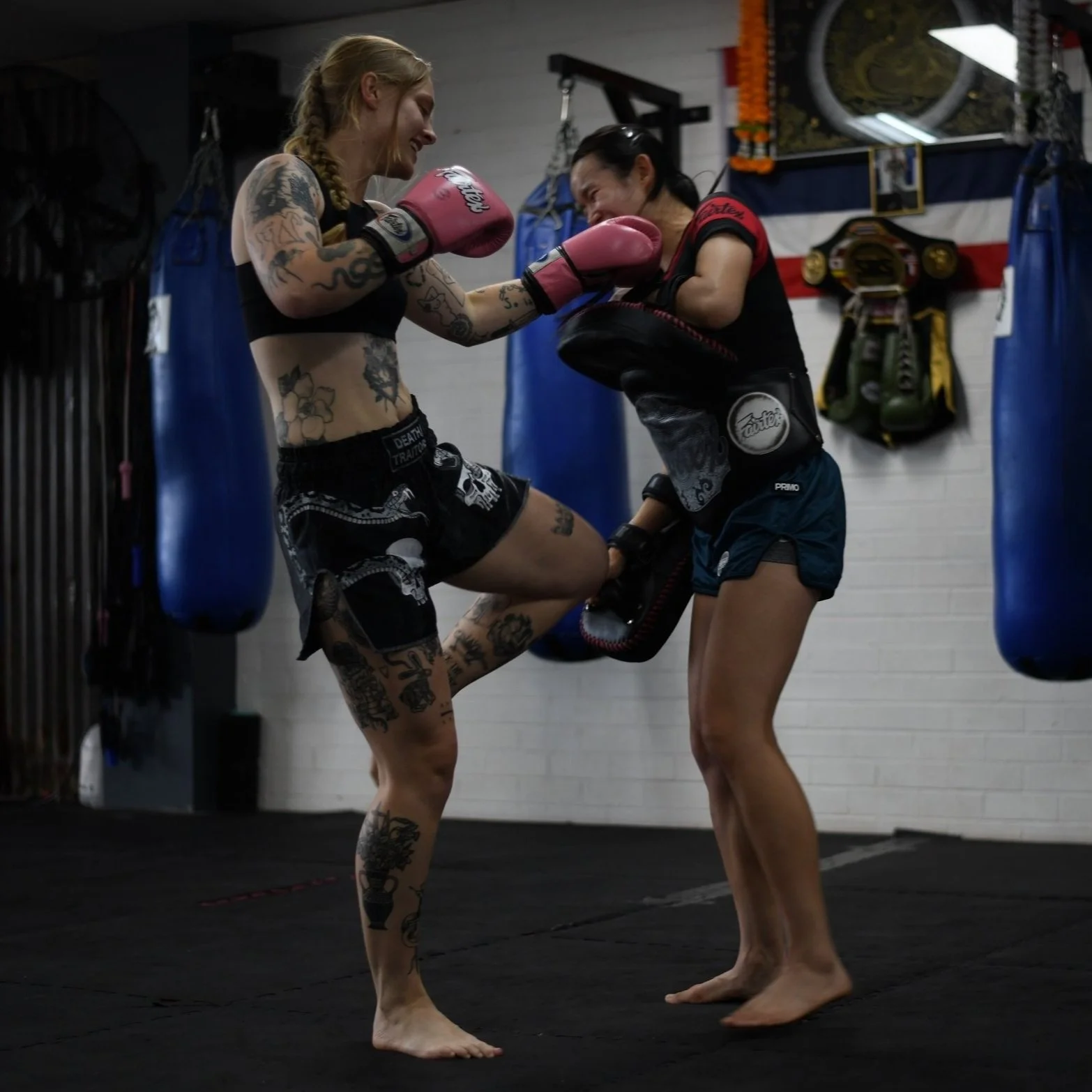
Just last week, I had two girls in my class who initially refused to participate in the session. They were disengaged, not wanting to try the activities I was offering. But once I shared my story—once they heard about my struggles and growth—they stood up immediately and started engaging with the activities. It wasn’t magic, but it was a small, powerful shift that made all the difference.
This moment, for me, highlighted the importance of vulnerability in building trust. It’s not just about having the right answers or offering advice—it’s about being real with them, sharing my experiences in a way that connects. When I share a part of my journey, I see their guards drop. I know in that moment they’re thinking, “Maybe she does know what she’s talking about.” And in their eyes, I can see the shift—the spark that tells me they’re starting to trust me, just a little bit more.
For young people who have faced trauma or hardship, trust is not easily given. They’ve learned to protect themselves, to guard their emotions because the world has shown them that vulnerability can lead to pain. It’s understandable. Trust must be earned, and that’s exactly what we do in our sessions at Mindset. We don’t expect young people to open up immediately or to accept guidance right away. We meet them where they are, and we show up consistently—sharing our own experiences, being authentic, and creating a space where they feel seen and heard.
The power of role models goes beyond advice or guidance. It’s about showing up with empathy, understanding, and vulnerability. It’s about creating a safe space for young people to feel supported, to open up when they’re ready, and to take the first steps toward healing and growth.
“When we offer young people access to mentors who model healthy behaviour, we’re giving them the tools to build emotional strength, resilience, and confidence to face the world.”
At Mindset, we know that building resilience in young people is not just about teaching skills or strategies. It’s about building relationships—relationships based on trust, mutual respect, and the understanding that sometimes the best way to help someone is simply by sharing your own story.